Pacific Island Countries Advance Weather Early Warning and O
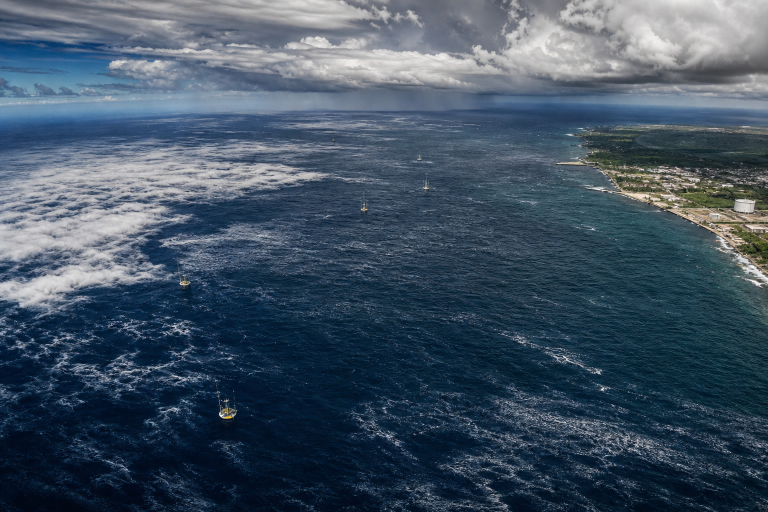
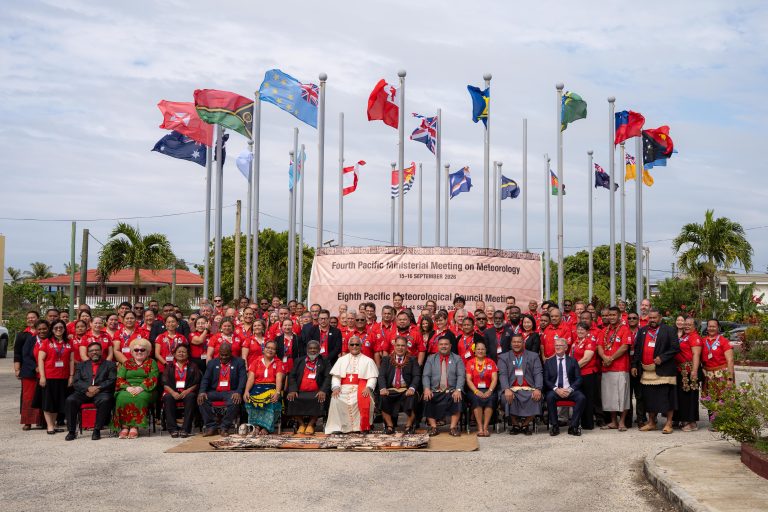
The Eighth Pacific Meteorological Council, themed “Weather Ready for a Safe and Sustainable Blue Pacific,” brought together 26 member countries and territories
Read more >
The Eighth Pacific Meteorological Council, themed “Weather Ready for a Safe and Sustainable Blue Pacific,” brought together 26 member countries and territories
Read more >
A new WMO bulletin says increased pollution from wildfires and heatwaves could weaken international efforts to improve air quality and protect human and ecosyst
Read more >
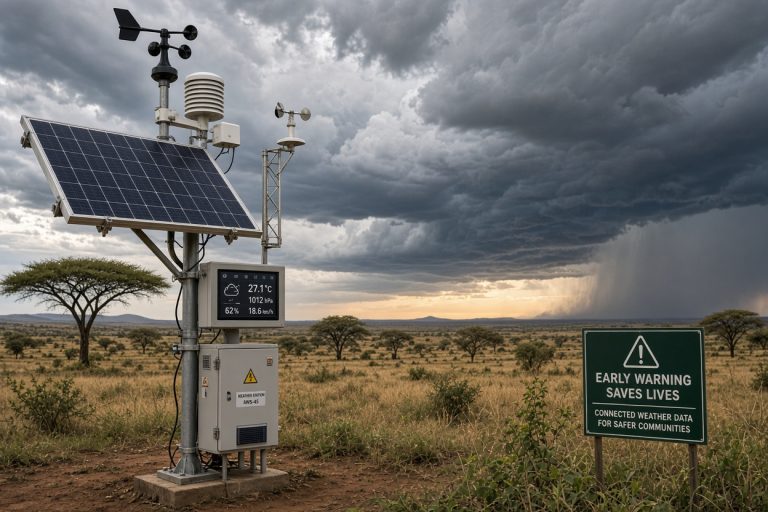
Forty-one African countries have reported progress on early warning systems, with system completeness more than doubling since 2022, yet small island developing
Read more >
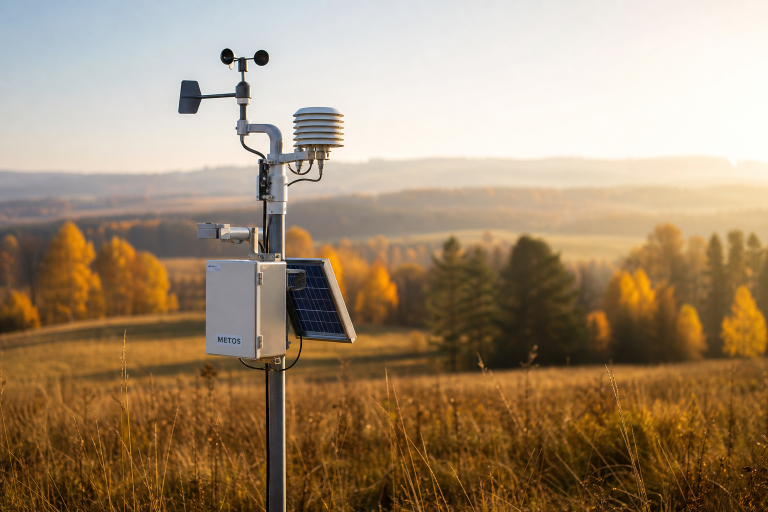
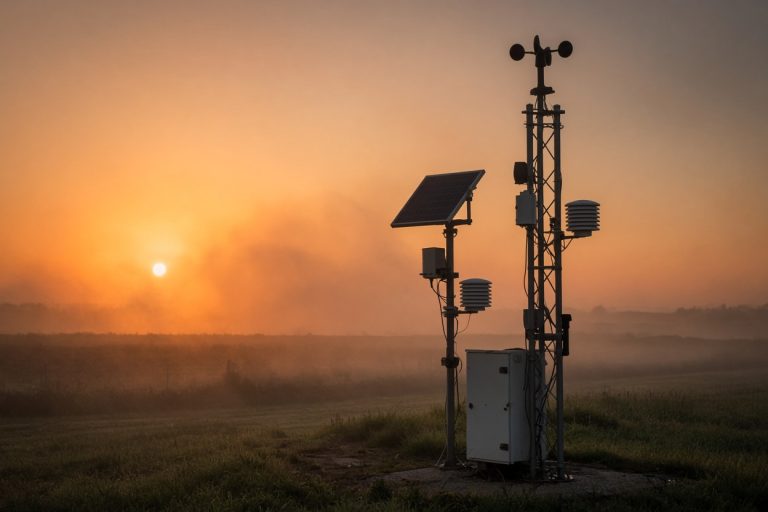
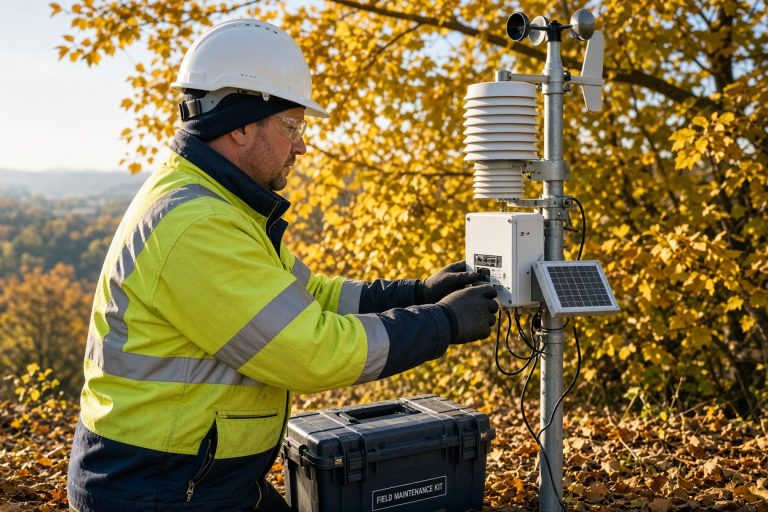
Automatic weather stations face autumn-specific challenges including obstruction by fallen leaves, condensation caused by temperature swings, and fluctuating so
Read more >
This article describes the critical stages of meteorological data quality control in autumn observations, from sensor calibration and data acquisition to transm
Read more >
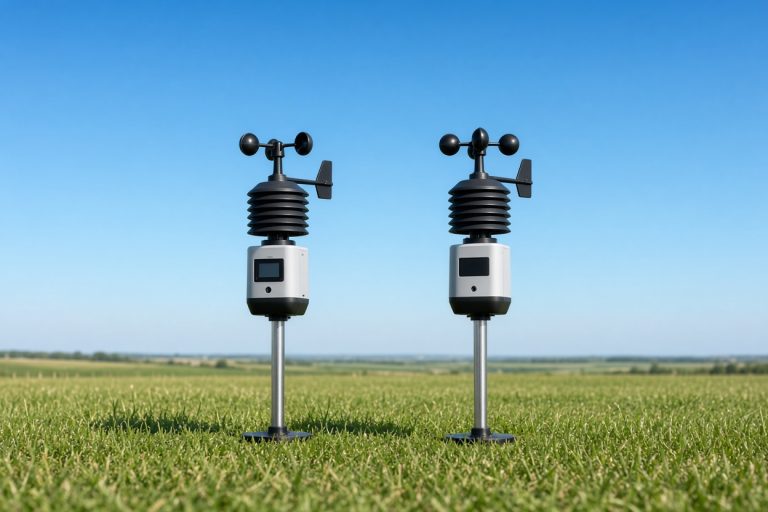
The core difference between six-element and seven-element weather stations lies in whether they measure global solar radiation. Selection should consider sensor
Read more >
WMO's latest update shows El Niño is firmly established and set to become very strong, with a close-to-100% probability of persisting through February 2027. Flo
Read more >
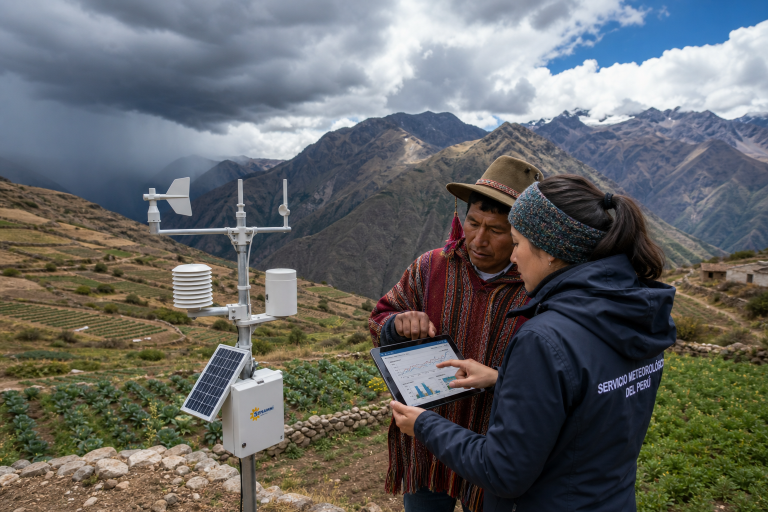
The WMO-coordinated ENANDES project is advancing climate services co-designed with users in Chile, Colombia, and Peru. Experience in Cauca, Colombia, shows that
Read more >
Large autumn temperature differences between day and night and frequent strong winds mean the composition and selection of a micro weather station directly affe
Read more >
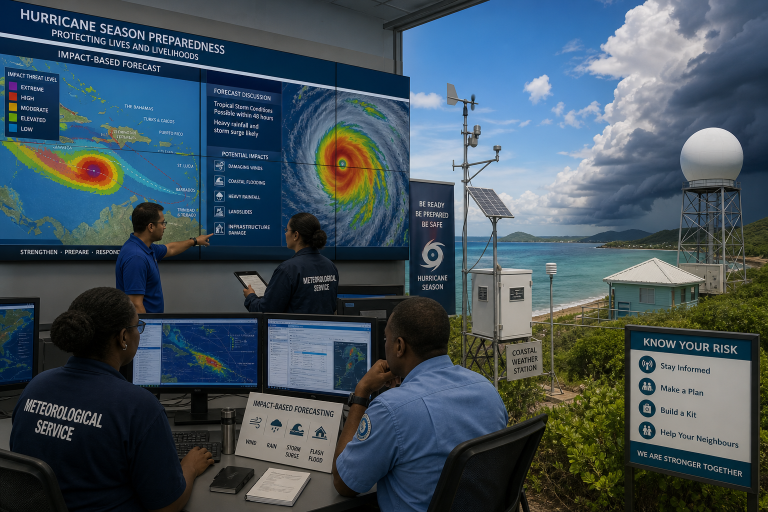
WMO highlights Caribbean progress in shifting from weather forecasting to impact forecasting, with stronger impact-based warnings, the Common Alerting Protocol,
Read more >