
Five Countries Advance Multi-Hazard Early Warning Capacity in Parallel
A new publication from the World Meteorological Organization (WMO) reviews the results of its support for Bangladesh, Haiti, Liberia, Mozambique and Somalia in building multi-hazard early warning systems (MHEWS). The work falls under the Early Warnings for All (EW4All) initiative and aims to strengthen the five countries’ observation, forecasting and warning capabilities.
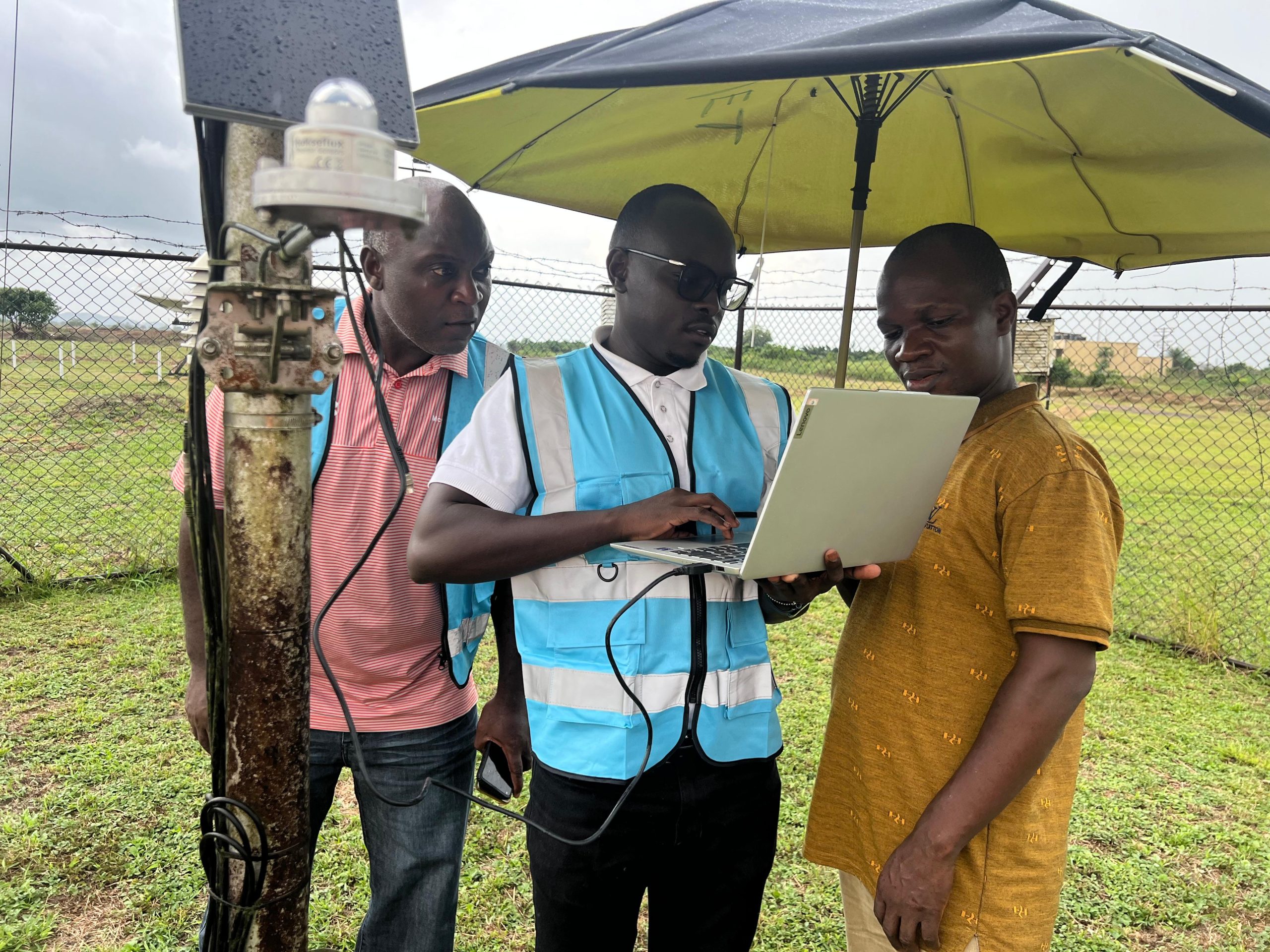
The publication notes that the five countries’ experience shows there is no one-size-fits-all template for strengthening early warning systems: needs and approaches depend on national circumstances, and pathways vary from observation network rehabilitation and data exchange to impact-based forecasting and institutional development.
Swedish Funding Supports EW4All’s Second Pillar
In 2024, the Swedish International Development Cooperation Agency provided US$5.5 million through the United Nations Office for Disaster Risk Reduction (UNDRR) to accelerate implementation of the EW4All initiative. The initiative aims to ensure that everyone on Earth is protected by life-saving multi-hazard early warning systems by 2027.
Of this, WMO received US$900,000 to implement a multi-country project focused on Pillar 2 of the EW4All value chain: detection, observation, monitoring, analysis and forecasting—the technical foundation for producing timely, accurate warning information.
Tailored to Local Contexts: From Observation Network Rehabilitation to CAP Warning Dissemination
Liberia placed high-quality data at the core of the project, focusing on improving observation networks and data available for forecasting. Measures include station rehabilitation, technical training, improvements to data transmission and digitization of historical records, strengthening the ability to continuously produce reliable hydrometeorological information.
Mozambique focused on using WIS 2.0 to improve data exchange; Bangladesh worked to strengthen impact-based forecasting and promote the Common Alerting Protocol (CAP), so warnings reach affected populations more quickly. The methods differ, but the goal is the same: to make observations and forecasts genuinely serve warning dissemination.
Somalia: From Fragmented Services to a Nationally Led System
In Somalia, the focus was on building the institutional foundations of the National Meteorological and Hydrological Service (NMHS). The project supported the establishment of governance structures, legal arrangements, coordination mechanisms, capacity-building and strategic planning, and helped put the country’s EW4All roadmap into action.
The goal is to shift from fragmented, partner-led services to a nationally coordinated, government-led system. In regions with weak institutional support, institutions and capacity must advance in tandem for observations and forecasts to operate over the long term.
Industry Perspective: Observation Quality Sets the Ceiling for the Warning Chain
From the perspective of meteorological monitoring technology and applications, these projects all point to the ‘front end’ of the warning chain—surface observation networks, data transmission and forecast analysis. Observation network rehabilitation and digitization of historical records affect the quality of model initial fields; data exchange standards such as WIS 2.0 determine the efficiency of cross-border coordination; and CAP and impact-based forecasting determine whether warnings translate into action.
For regions undertaking similar build-outs, equipment is only the starting point; long-term operations and maintenance, data quality control and standardized transmission are equally critical. For surface observation network development and local severe weather monitoring, reliable Micro Weather Station can work alongside ultrasonic wind speed and direction sensors, atmospheric electric field mills for lightning warning and other tools to provide continuous data input for the warning chain.
Source: World Meteorological Organization (WMO) (link: https://wmo.int/media/project-update/how-wmos-support-helped-strengthen-multi-hazard-early-warning-systems-across-diverse-contexts)
 Nepal Flood Cascading Risks Highlight High-Mountain Weather
 Cabo Verde Validates Early Warning Roadmap After Tropical St
 WMO Report Warns: Wildfires and Heatwaves Weigh on Global Ai