
Sierra Leone Adopts Meteorological Strategic Plan, Anchoring a 2031 Early Warning Vision
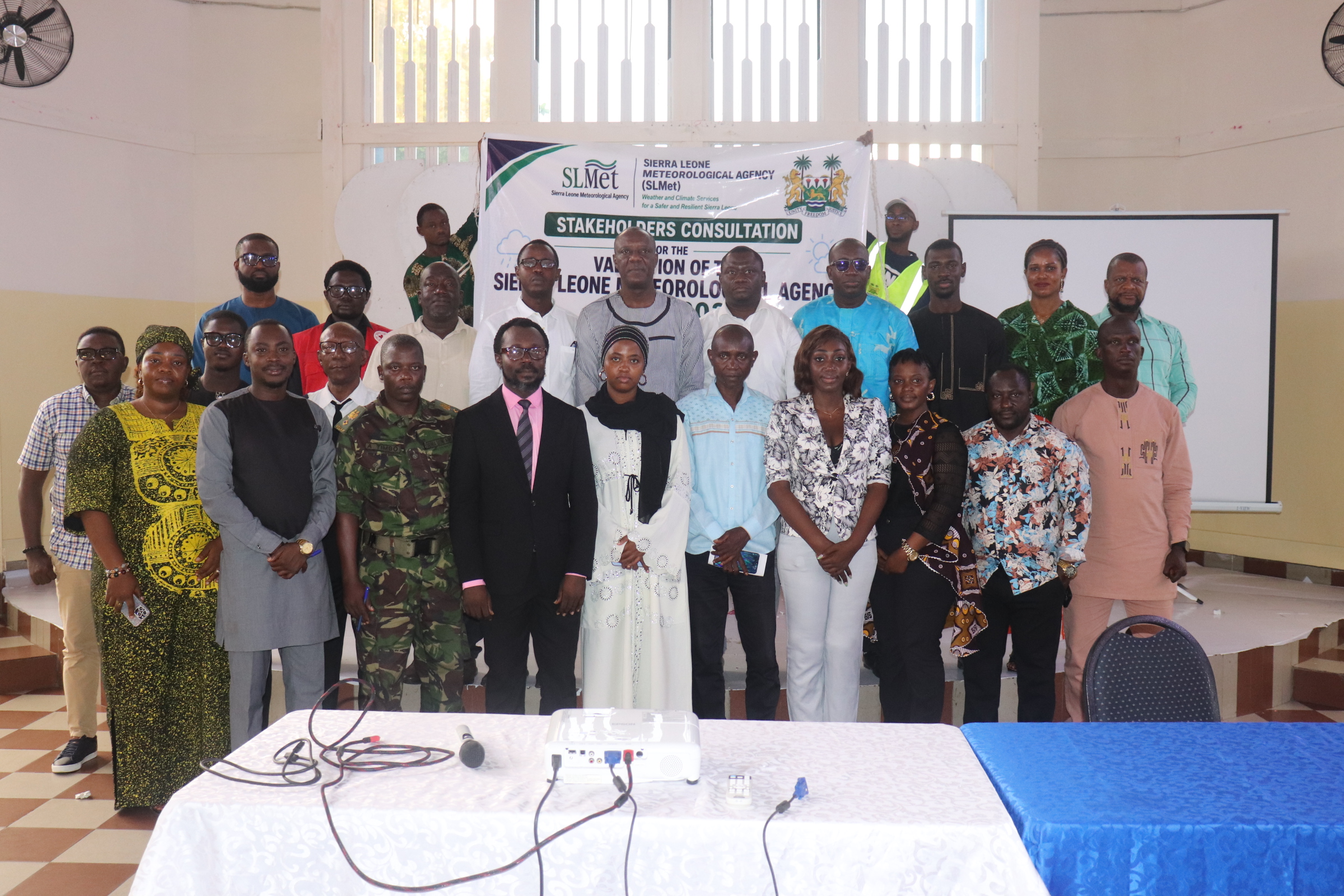
With support from the World Meteorological Organization (WMO) and the Climate Risk and Early Warning Systems (CREWS) initiative’s West Africa project, the Sierra Leone Meteorological Agency (SLMet) validated its 2026–2031 Strategic Plan and Action Plan in September 2026, delivering a systematic roadmap for upgrading national weather, climate, and early warning services. The plan envisions that by 2031, Sierra Leone’s citizens, institutions, and economy will be better equipped to withstand hazardous weather and climate risks through the effective use of high-quality, timely, and accessible weather, climate, and early warning services. To deliver on this vision, the plan sets out five strategic goals, backed by a detailed action plan that specifies concrete activities, expected outputs, performance indicators, and implementation priorities.
Multi-Stakeholder Demand Steers Weather Services Toward Decision Support
The strategic plan was developed through a participatory process, with government agencies, technical departments, civil society organizations, academia, and development partners voicing their needs and priorities to ensure it responds to the country’s growing demand for weather, climate, and early warning services. Its service scope spans key areas including disaster risk reduction, climate adaptation, food security, aviation safety, water resources management, public health, and sustainable development, reflecting the sector-wide shift from “producing data” to “supporting decision-making”.
As Floods, Landslides, and Droughts Compound, Early Warning Becomes a Disaster-Reduction Imperative
Sierra Leone has long been threatened by floods, landslides, droughts, and coastal hazards as well as extreme weather events, keeping lives, property, and economic development under sustained pressure—making the plan’s release especially timely. The plan stresses that accurate, timely, relevant, and accessible weather and climate information is a key basis for decisions by government agencies, communities, and economic sectors, echoing the global consensus on accelerating early warning capacity and closing the “last mile” of warning delivery.
Closing Talent and Observing-Infrastructure Gaps Through Systematic Capacity Building
The plan’s assessment shows that SLMet faces significant gaps in institutions, human resources, and infrastructure, requiring systematic investment to effectively fulfill its national meteorological mandate. From an industry perspective, meteorological modernization in developing countries typically follows a path in which observing networks come first and service capacity follows: surface observing equipment such as automatic weather stations and anemometers forms the data foundation, and only with personnel training and operational support layered on top can early warning information truly reach decision-makers and the public.
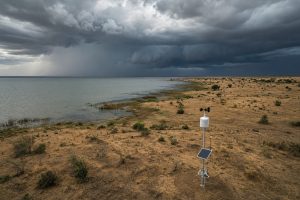
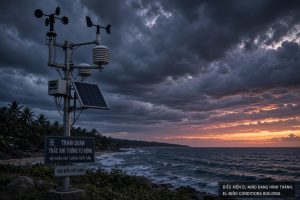
Surface observation is the starting point of meteorological capacity building. Product lines such as WeatherFine’s compact weather stations can provide the equipment support for filling gaps in regional monitoring networks and upgrading meteorological infrastructure.
Source: World Meteorological Organization (WMO) (link: https://wmo.int/media/project-update/sierra-leone-meteorological-agency-validates-strategic-plan-strengthen-weather-climate-and-early)
 Greenhouse Gas Concentrations Hit New High, Locking In Centu
 Transboundary Project Rebuilds Flood and Drought Monitoring
 Vietnam Leads ASEAN El Niño Response as Monitoring Coordinat