
Wildfires and Heatwaves Compound Pressure on Air Quality Progress
The latest report from the World Meteorological Organization (WMO) warns that increased pollution from wildfires and heatwaves could undermine international efforts to improve air quality and protect human and ecosystem health. The report examines the complex interconnections between air quality and climate, stressing that the two cannot be treated in isolation.
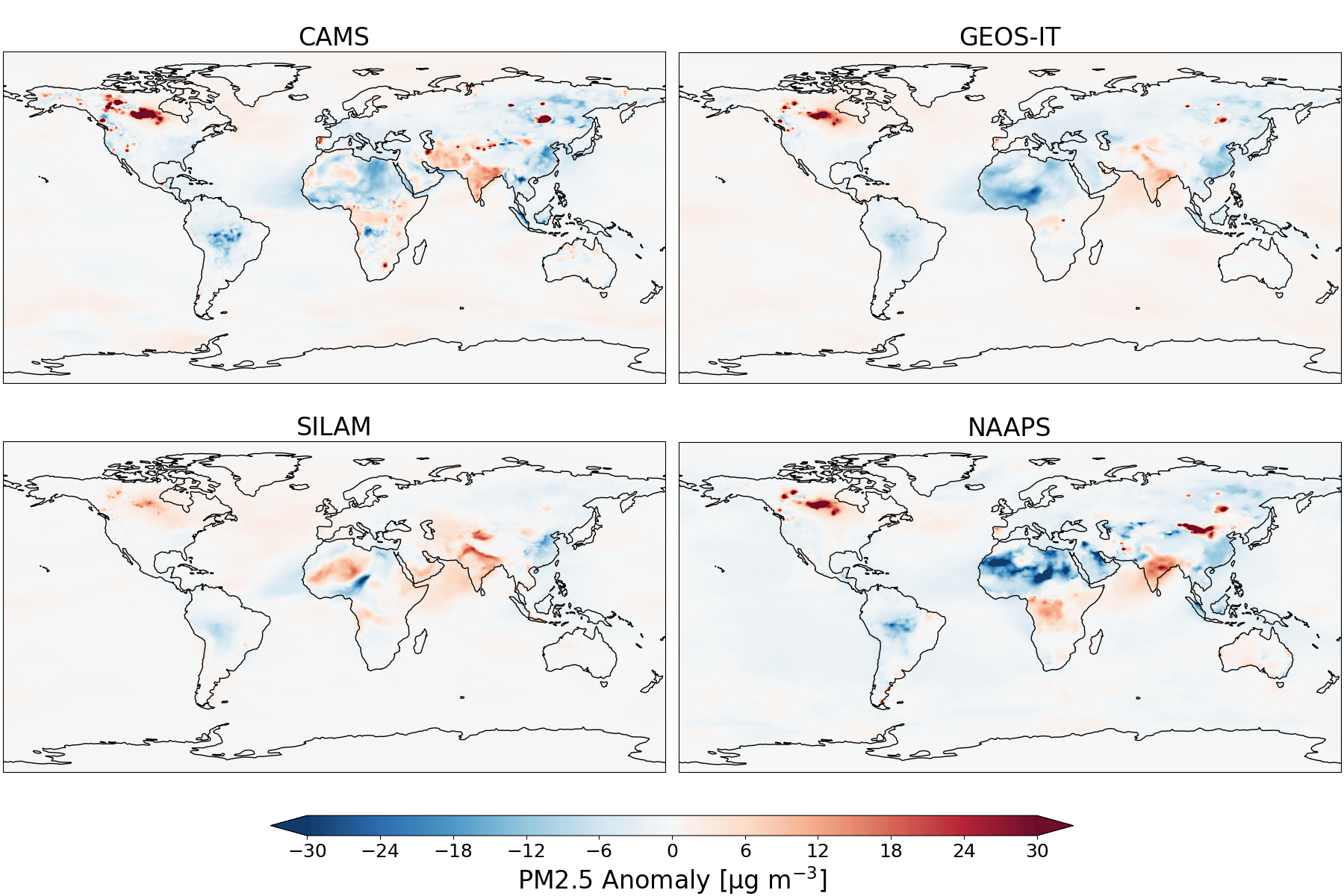
Observational Gaps: Insufficient Monitoring of PM2.5, Ground-Level Ozone, and Aerosols
The report highlights the need to improve observations of atmospheric pollutants, including fine particulate matter (PM2.5) and ground-level ozone, as well as aerosols such as black carbon and microplastics. These substances are widely distributed and can harm ecosystems, yet current monitoring remains inadequate.
PM2.5 consists of tiny particles and droplets less than 2.5 micrometers in diameter that can penetrate deep into the lungs and bloodstream, posing health risks. Its emission sources are diverse, including industrial activity, agriculture, residential heating, transportation, as well as wildfires and dust storms.
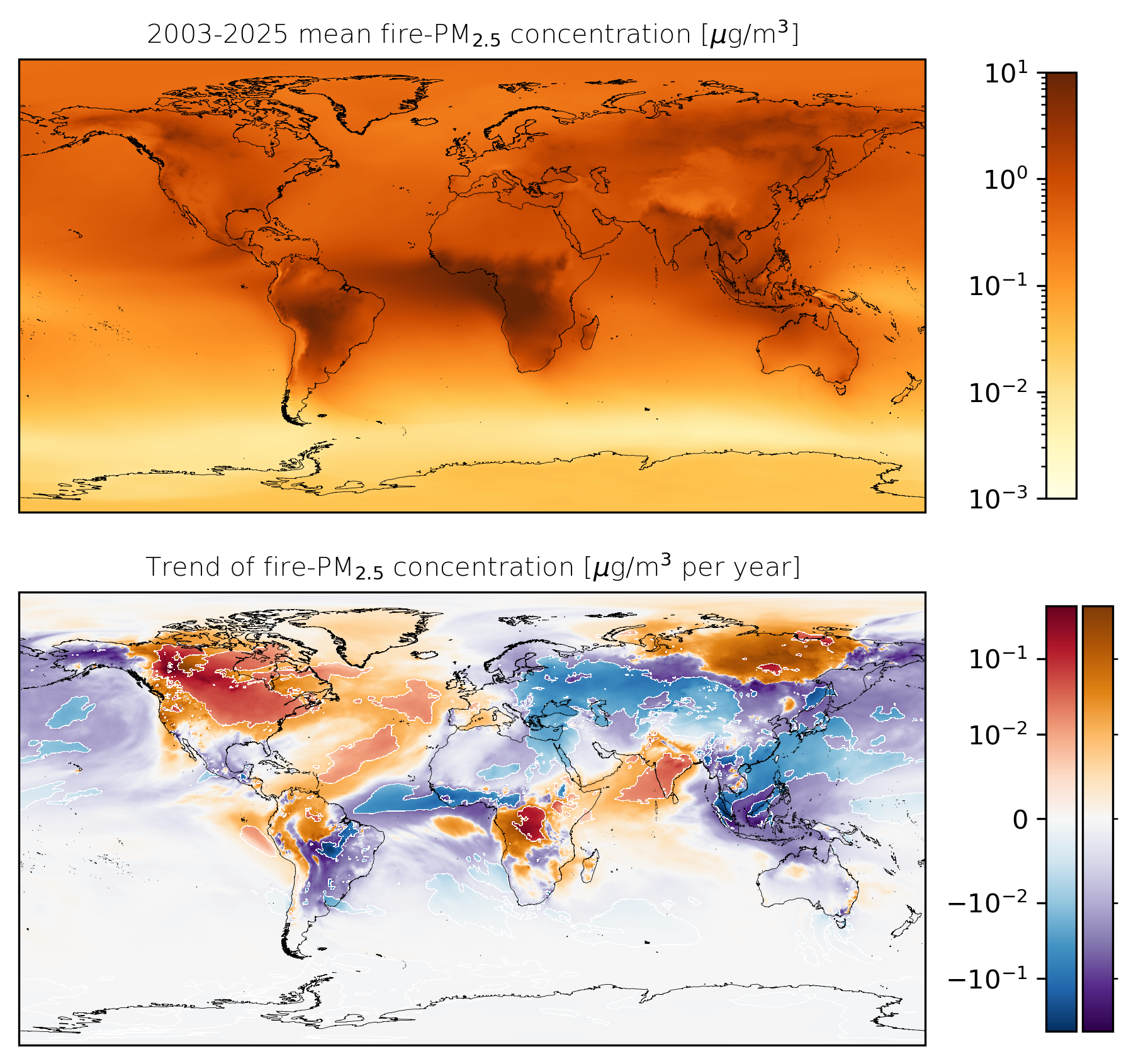
Regional Hotspots: PM2.5 Levels Above Long-Term Averages in Many Regions in 2025
Continuing recent trends, increased fire activity pushed PM2.5 concentrations in northern Canada, parts of the Russian Federation, and west-central Africa above long-term averages in 2025. The report also notes that northwestern Spain became a hotspot due to exceptionally severe fires in late summer 2025.
From Observation to Service: What Technical Support Does Coordinated Governance Need?
The report states that air quality and climate policies need to be complementary and coordinated and cannot be handled separately. This annual Air Quality and Climate Bulletin was released on September 7, the International Day of Clean Air for Blue Skies, and is based on data and information from the WMO Global Atmosphere Watch (GAW) network, reflecting its philosophy of science serving public well-being.
From the perspective of meteorological monitoring and industry applications, pollutant observations can support source apportionment, early warning issuance, and emissions reduction assessment only when deployed in sync with meteorological variables: wind speed and direction determine pollutant transport and dispersion pathways; temperature and humidity conditions and boundary layer structure affect secondary formation and accumulation processes; precipitation influences wet deposition and removal efficiency. For cities and industrial parks, continuous observations of particulate matter, aerosols, and conventional meteorological variables on the same spatiotemporal scale are fundamental to improving warning accuracy and the targeting of mitigation measures.
In this context, Micro Weather Station can be deployed alongside particulate matter, ozone, and other observation instruments to provide continuous wind field and basic meteorological data for pollution transport analysis and warning response.
Source: World Meteorological Organization (WMO) (link: https://wmo.int/media/news/wmo-bulletin-shows-air-quality-and-climate-interlinkages)
 Africa Early Warning Action Call Highlights Gaps in Meteorol
 Essential Autumn Maintenance Checklist for Automatic Weather
 The Fundamental Workflow of Meteorological Data Quality Cont