
Greenhouse Gas Concentrations Break Records Across the Board
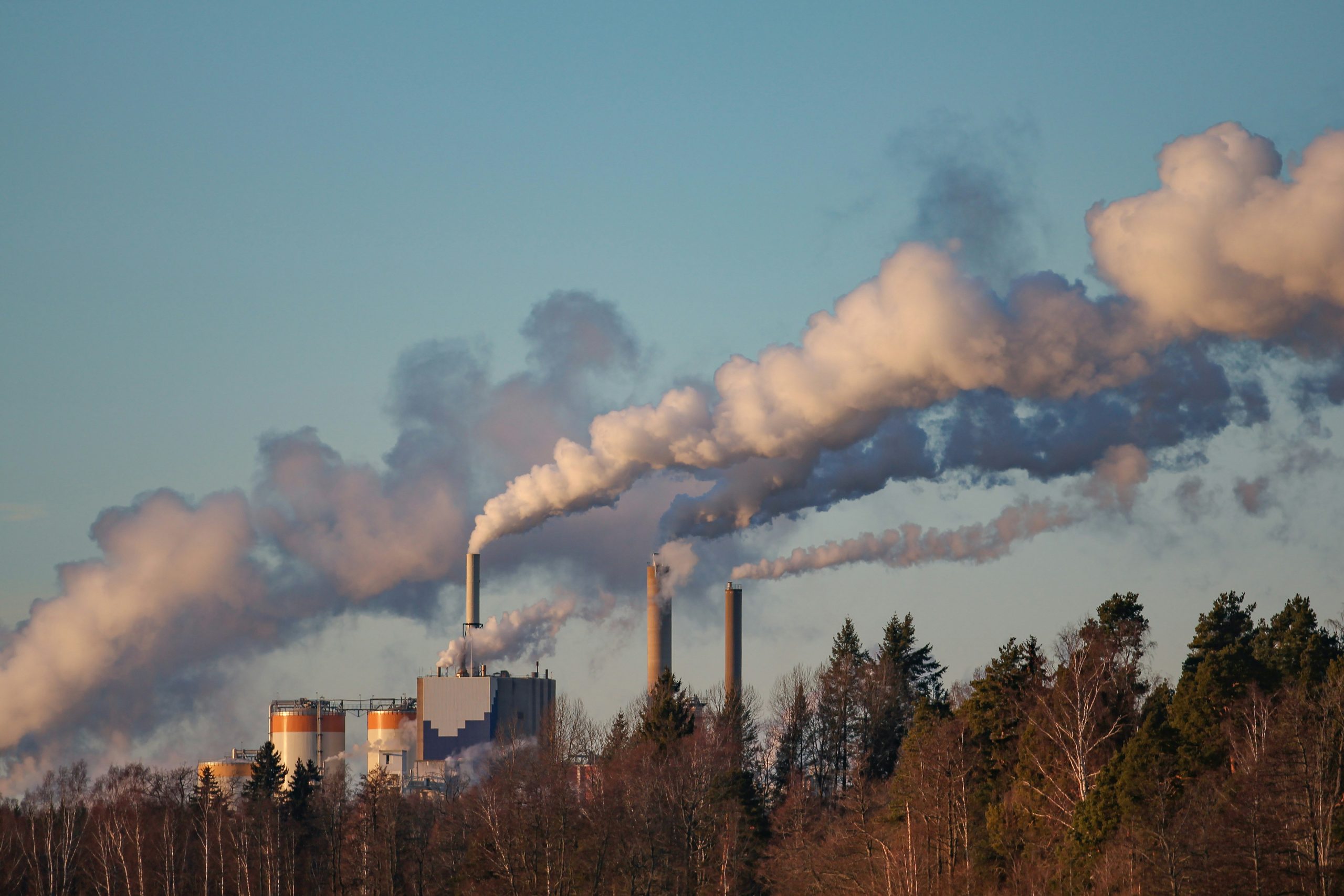
The World Meteorological Organization (WMO) released its latest Greenhouse Gas Bulletin on October 27, reporting that the global average surface concentration of carbon dioxide reached 426.8 ppm in 2025, equivalent to 153% of the pre-industrial baseline of 1750. Methane and nitrous oxide, the second and third most significant long-lived greenhouse gases associated with human activity, likewise climbed to historic highs. As one of the WMO’s flagship annual publications, the bulletin is issued ahead of the UN Climate Change Conference to provide negotiating parties with an authoritative scientific basis.
Long-Lived Carbon Locks in Decades of Future Warming
WMO Deputy Secretary-General Ko Barrett said greenhouse gases are trapping unprecedented amounts of heat in the atmosphere, fueling more extreme weather along with its economic and social risks; the past 11 years have been the warmest on record, and the trend is set to continue. Because CO₂ persists in the atmosphere for extremely long periods, its influence extends not merely for years but for decades and even centuries—even if emissions stabilize, the long-term locking-in effect of warming will keep driving the accumulation of climate risks.
The Bulletin Provides a Scientific Benchmark for Climate Talks
COP31, the 31st UN Climate Change Conference, is scheduled for November 9–20, 2026 in Antalya, Türkiye, with a core focus on turning climate pledges into concrete action. The observed reality of greenhouse gas concentrations setting records year after year is becoming the baseline reference for countries assessing mitigation progress and designing adaptation plans, lifting the scientific and decision-making value of atmospheric composition observation in step.
Expanding Greenhouse Gas Monitoring Opens Industry Opportunities
From a monitoring-technology perspective, background greenhouse gas observation imposes stringent requirements on instrumentation for long-term stability, metrological traceability, and site representativeness. As the global background station network and city-scale carbon monitoring expand in parallel, demand is growing for high-precision analytical instruments, miniaturized monitoring equipment, and data quality-control services.
Meanwhile, extreme weather is becoming more frequent and more intense in a warming climate, and industries such as energy, agriculture, water resources, and transportation increasingly favor integrated observation solutions that bring together atmospheric composition, meteorological parameters, and hazard early warning. “From science to services” is emerging as the main pathway for commercial weather services.
For integrated observation needs spanning atmospheric composition and meteorological parameters, product lines such as the compact weather station can deliver reliable foundational data for regional environmental monitoring and climate-related applications.
Source: World Meteorological Organization (WMO) (link: https://wmo.int/media/news/greenhouse-gas-levels-once-again-reach-record-high)
 Sierra Leone Unveils Five-Year Meteorological Strategy to Cl
 Transboundary Project Rebuilds Flood and Drought Monitoring
 Vietnam Leads ASEAN El Niño Response as Monitoring Coordinat