
WMO Recognizes Vietnam-Led Regional Initiative
The World Meteorological Organization (WMO) has publicly recognized Vietnam’s proactive measures in responding to El Niño. According to WMO’s news from members, the Viet Nam Meteorological and Hydrological Administration (VNMHA) under Vietnam’s Ministry of Agriculture and Environment organized regional activities around the theme “Strengthening Regional Preparedness and Response to El Niño Impacts in ASEAN for 2026–2027.” The 47th annual session of the ASEAN Sub-Committee on Meteorology and Geophysics (ASMG) opened in Da Nang, bringing together representatives from the WMO, partner institutions, and the national meteorological services of Southeast Asian countries for exchanges on regional climate risk response.

El Niño to Keep Strengthening, Peak Expected Around December 2026
Ben Churchill, Director of the WMO Regional Office for Asia and the South-West Pacific, shared WMO’s assessment of the 2026–2027 El Niño event, cautioning that El Niño will continue to intensify and is expected to peak around December 2026. He also noted that as the event evolves, demand for localized impact information will rise markedly, placing higher demands on regional preparedness and response efforts.
Intensity Is Not the Only Variable: Lagged Impacts Complicate Assessment
Churchill stressed that El Niño intensity is not the sole determinant of impacts; the effects may emerge with a time lag and persist even after the event passes its peak. This assessment implies that disaster-preparedness planning cannot center solely on peak intensity: key variables such as precipitation and temperature must be tracked dynamically across the entire course of the event, placing stricter requirements on the continuity and stability of observing systems.
Industry Perspective: Localized Observing Capability Becomes the Key to Response
From the standpoint of meteorological monitoring technology and its applications, this regional collaboration sends a clear signal: localized impact assessment depends heavily on the density and data quality of surface observation networks. Under El Niño conditions, anomalous spatiotemporal distribution of precipitation intensifies and extreme-weather risk rises, and Southeast Asian countries are showing growing willingness to invest in densified observations and earlier warnings. Meanwhile, the lag effect means monitoring systems must be capable of long-term stable operation and continuous data output—short-term, ad hoc observations cannot support impact assessment or post-event review.
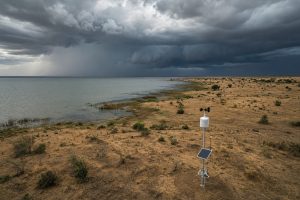
For continuous monitoring needs across agriculture, hydrology, and disaster early-warning scenarios, WeatherFine Technology’s product lines, such as its compact weather stations, provide reliable surface data support for tracking regional climate events and localized impact assessment.
Source: World Meteorological Organization (WMO) (link: https://wmo.int/media/news-from-members/wmo-recognizes-viet-nams-initiative-el-nino-response)
 Sierra Leone Unveils Five-Year Meteorological Strategy to Cl
 Greenhouse Gas Concentrations Hit New High, Locking In Centu
 Transboundary Project Rebuilds Flood and Drought Monitoring