Trusted Forecasts Bridge Scientific Observation and Sector Decision-Making
The World Meteorological Organization’s Commission for Weather, Climate, Hydrological, Marine and Related Environmental Services and Applications (SERCOM) is optimizing decision-support services for agriculture, aviation, disaster risk reduction, health, renewable energy, shipping, and water resource management. As one of WMO’s core technical bodies, its role is to bridge observations, research, prediction systems, and infrastructure with the decisions of governments, businesses, communities, and individuals.
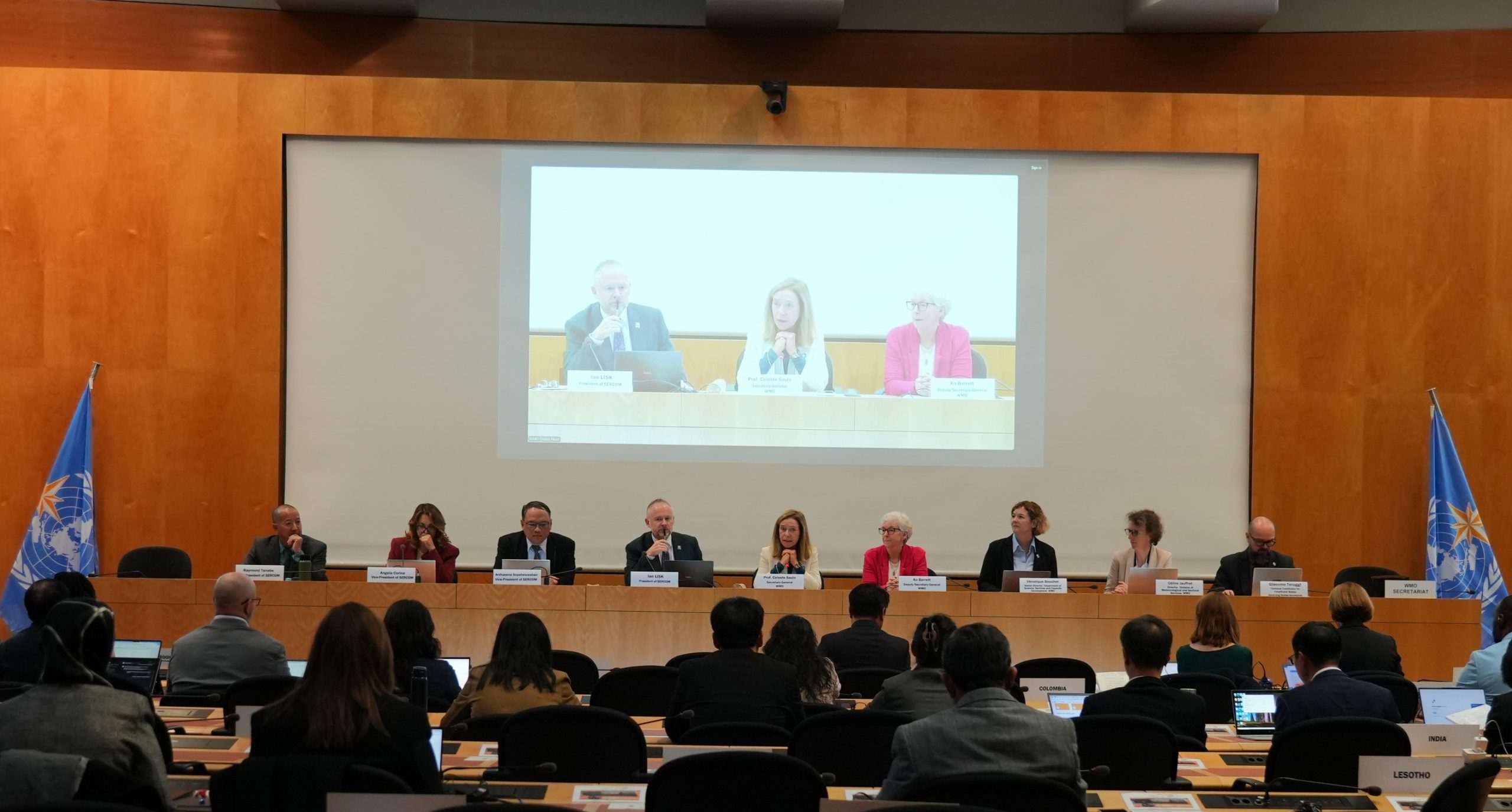
WMO Secretary-General Celeste Saulo said SERCOM translates scientific and technological strengths into services that protect lives, livelihoods, and development, adding that trusted, authoritative forecasts and warnings have never mattered more.
El Niño Intensifies Multiple Hazards as Demand for Early Warnings Heats Up
This work comes as a strengthening El Niño event continues to develop, with its impacts on temperature and precipitation amplifying hazard risks: record-breaking heat, major floods, prolonged drought, rapidly intensifying tropical cyclones, wildfires, dense haze, and marine heat waves have struck in quick succession, putting extreme weather in the headlines almost daily.
SERCOM President Ian Lisk said El Niño has become a topic no one can sidestep—from governments and the finance and health communities to the general public—and that the event should be leveraged to help society understand the impacts today’s and tomorrow’s climate may bring. Technical exchanges around the Early Warnings for All initiative also underscored the importance of coordination across every stage of the warning chain, from monitoring and forecasting to last-mile delivery.
Technical Regulations and Prediction Systems Move Toward a Unified Upgrade
On the technical front, the agenda includes revising the WMO Technical Regulations and Capability Framework, defining new requirements for the WMO Integrated Processing and Prediction System (WIPPS), and drafting a new long-term aeronautical meteorology plan. Items such as hazardous-event cataloguing, a flood forecasting framework, and global temperature monitoring methods are also on the docket—signaling that observation standards and forecast quality are heading toward more systematic standardization.
Industry Watch: Ground-Based Sensing Is the Bedrock of Forecast Credibility
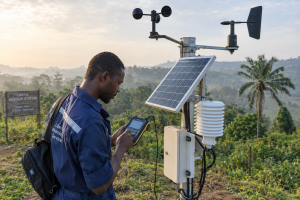
From a meteorological monitoring technology and application perspective, high-quality, continuous surface observations are the first link in the trusted-forecast chain. Growing demand from industry users for customized weather services and on-site warnings is accelerating the build-out of a complete service chain spanning sensors, data transmission, and decision support.
As aviation, shipping, renewable energy, and other industries strengthen independent monitoring, professional observation equipment such as ultrasonic wind speed and direction sensors is becoming a vital foundation for sector-grade weather monitoring and early-warning capabilities.
Source: World Meteorological Organization (WMO) (link: https://wmo.int/media/news/trusted-forecasts-are-more-important-ever)
 El Niño Shapes South Asia’s Winter Rainfall and Temperature
 Nepal Flood Cascading Risks Highlight High-Mountain Weather
 WMO Supports Five Countries in Strengthening Multi-Hazard Ea